
SAAM Stories
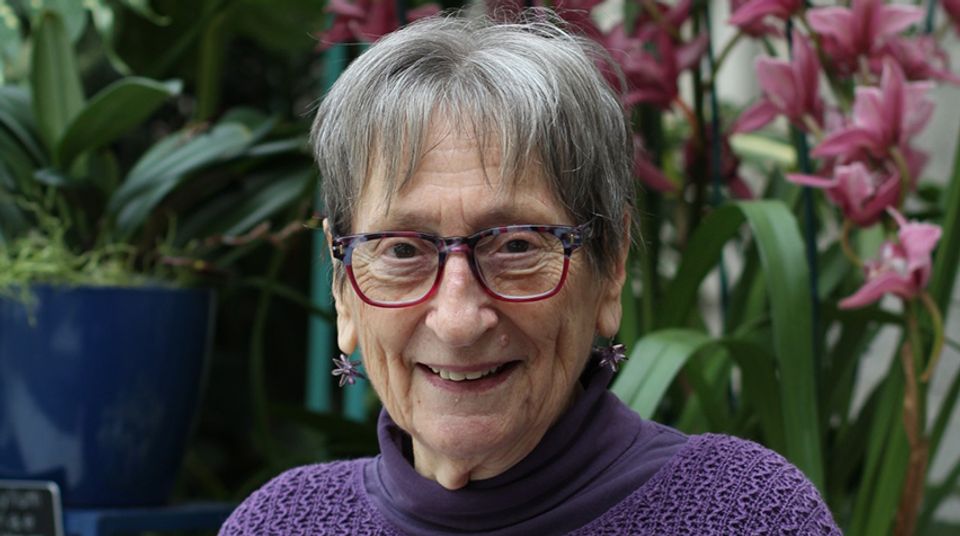
What's It Like to Be a Docent at SAAM for Fifty Years? Docent Phoebe Kline began at SAAM in 1974 and she's still going strong Howard KaplanWriter

04/08/2024
More visitors and new exhibitions highlight a season of change.
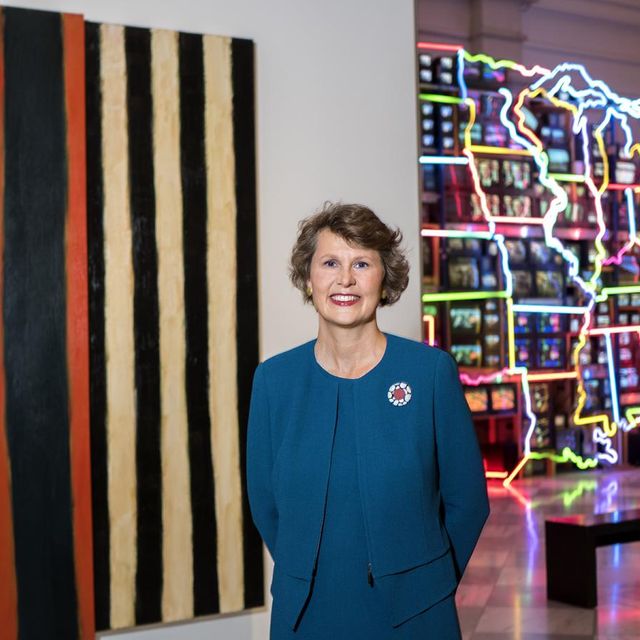
Stephanie Stebich
The Margaret and Terry Stent Director, Smithsonian American Art Museum and Renwick Gallery
04/05/2024
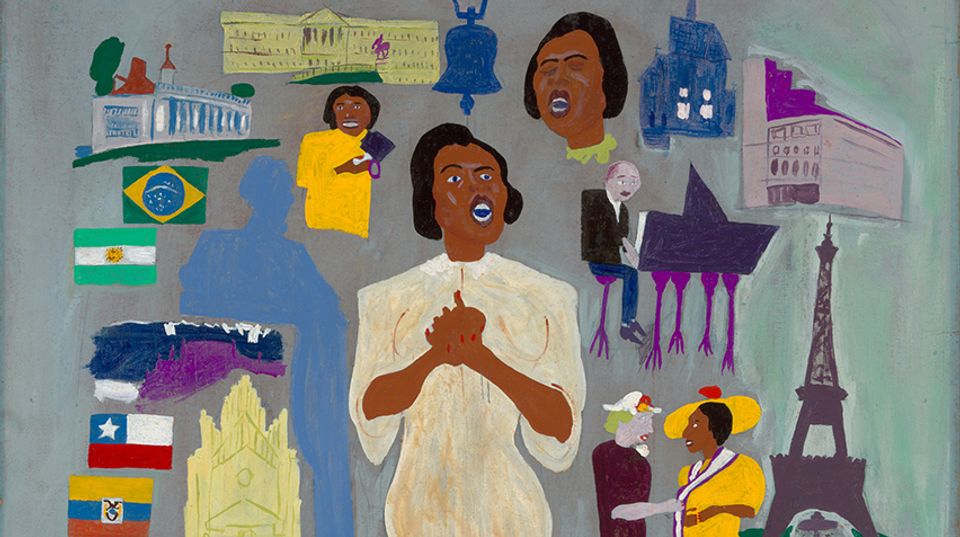
William H. Johnson portrayed the singer in multiple paintings, including in his Fighters for Freedom series.

Howard Kaplan
Writer
04/02/2024
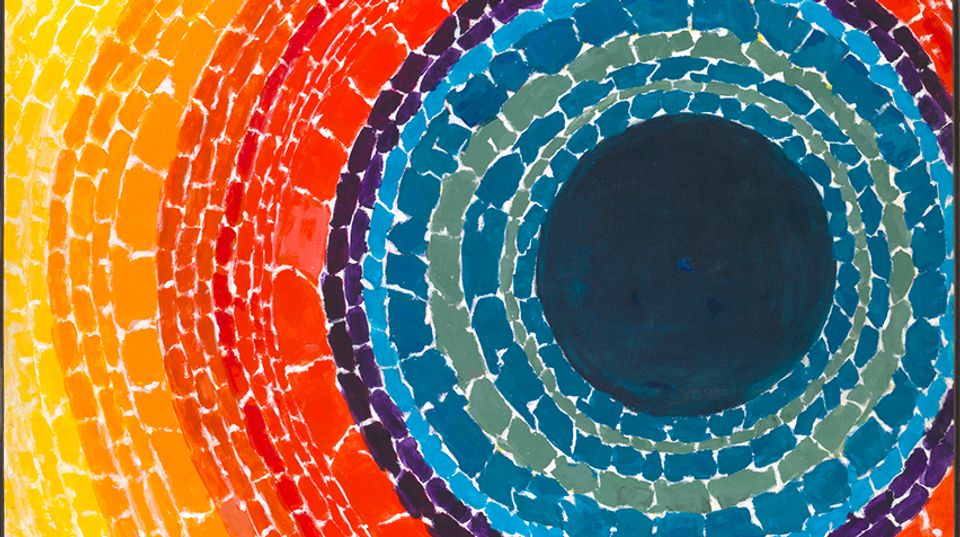
As we gather to celebrate this year’s eclipse, Alma Thomas, whose painting The Eclipse is featured in SAAM's collection, noted the influence of natural phenomena on her work.
Katie Hondorf
Public Affairs Specialist
03/27/2024
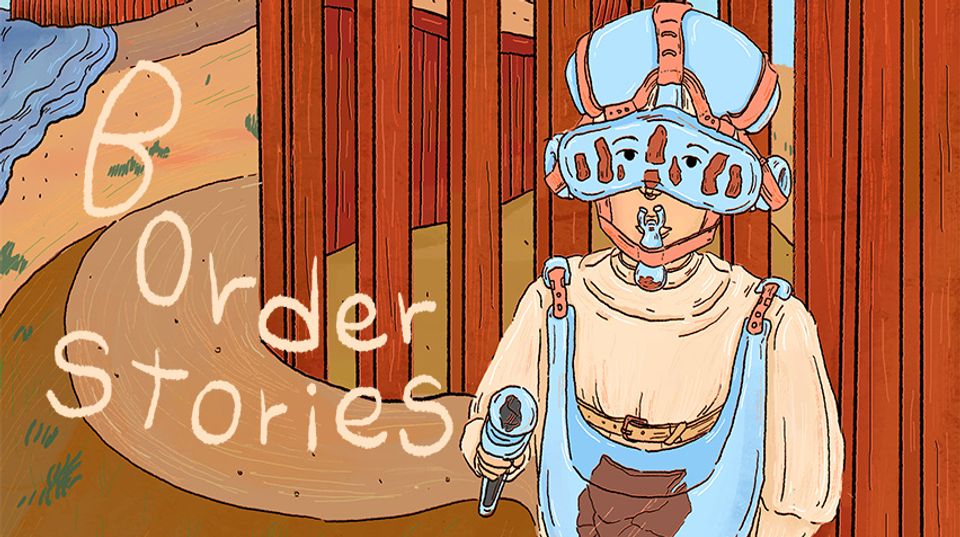
Celebrating the renowned artist whose community-based practice involves interactions at the border.
Howard Kaplan
Writer
03/22/2024
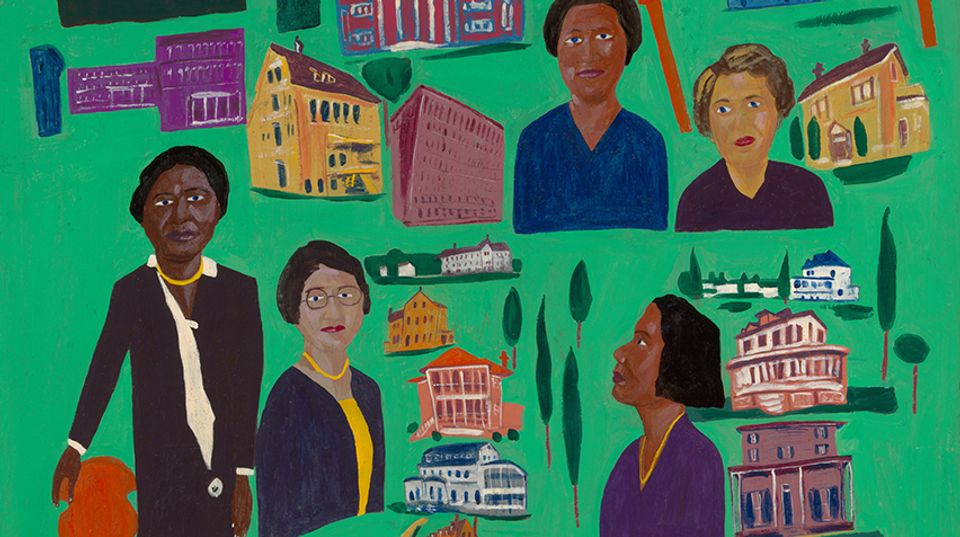
Johnson offers historical insights and fresh perspectives of legendary women alongside less well-known changemakers
SAAM
03/18/2024
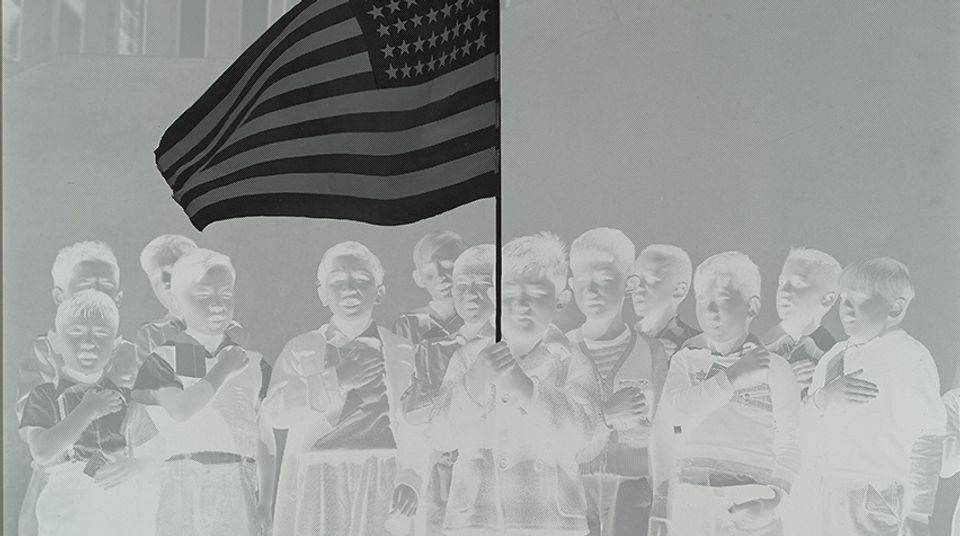
An item that most people carry in their pockets is key to experiencing Hank Willis Thomas's Pledge.
SAAM
03/14/2024
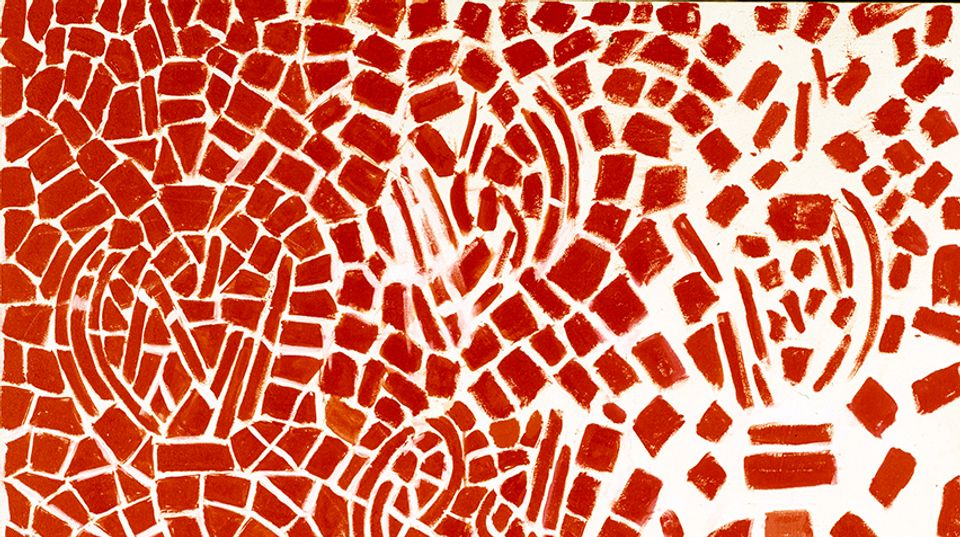
Explore the themes of Music and Nature in Composing Colors: Paintings by Alma Thomas.
Katie Hondorf
Public Affairs Specialist
03/07/2024
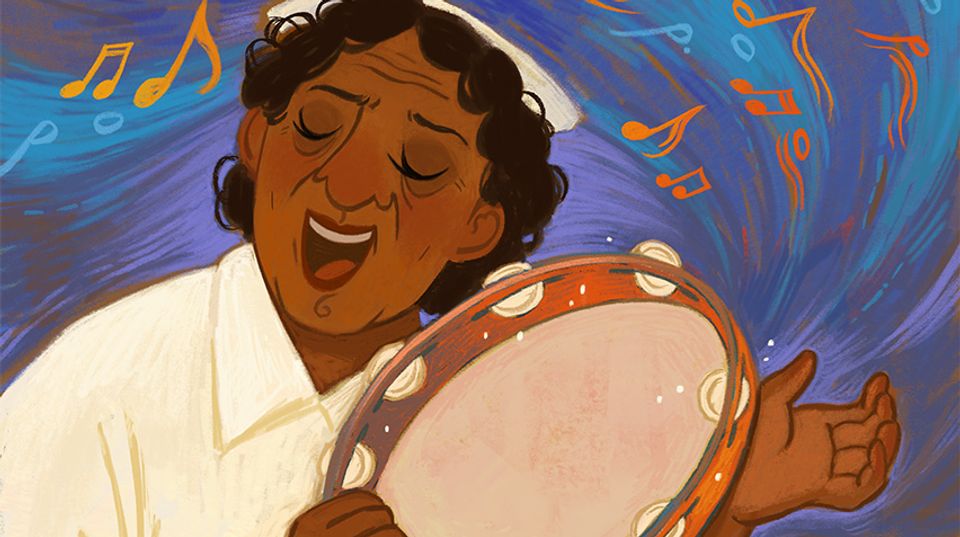
Celebrating the renowned artist with a comic about her life and work.
Howard Kaplan
Writer
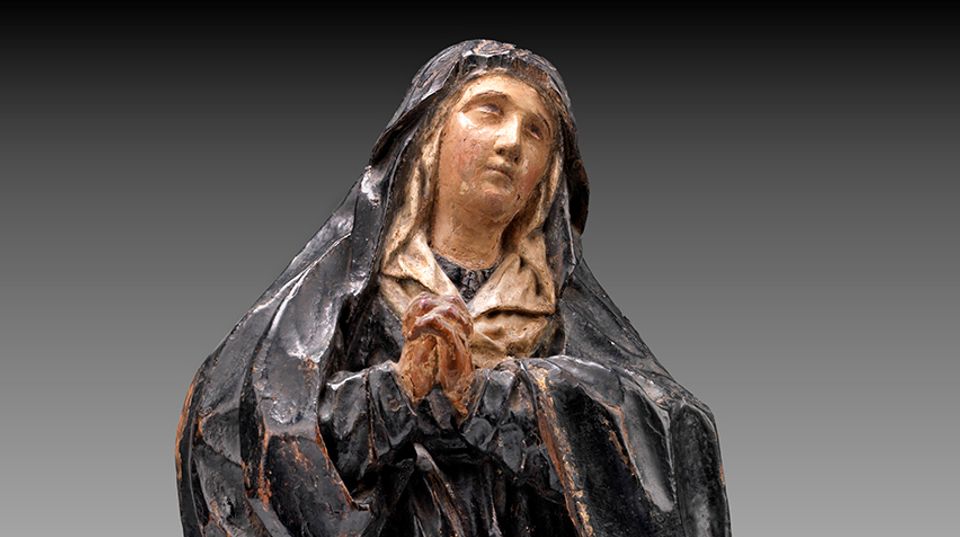
02/15/2024
Conservation methods reveal layers of history behind Puerto Rican Santos.
Briana Teran
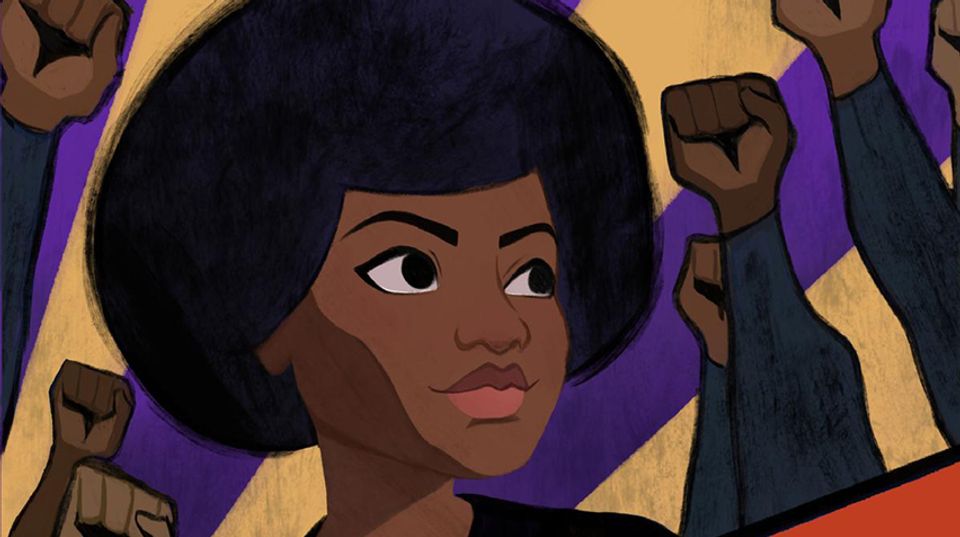
02/08/2024
Celebrating the renowned artist with a comic about her life and work.
Howard Kaplan
Writer
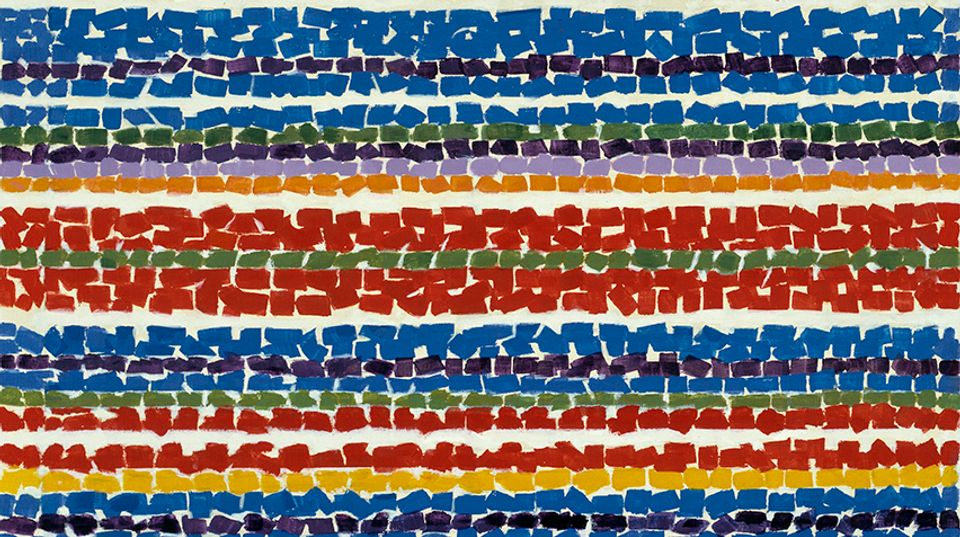
02/06/2024
A garden blooms in Alma Thomas's exuberant painting.
Katie Hondorf
Public Affairs Specialist
01/22/2024
Making artful connections in the new year ahead
Stephanie Stebich
The Margaret and Terry Stent Director, Smithsonian American Art Museum and Renwick Gallery
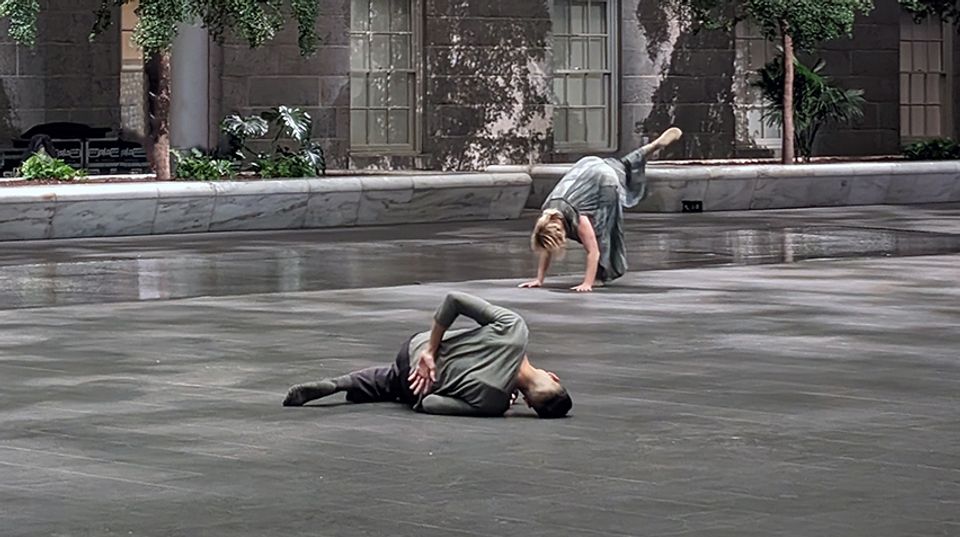
12/21/2023
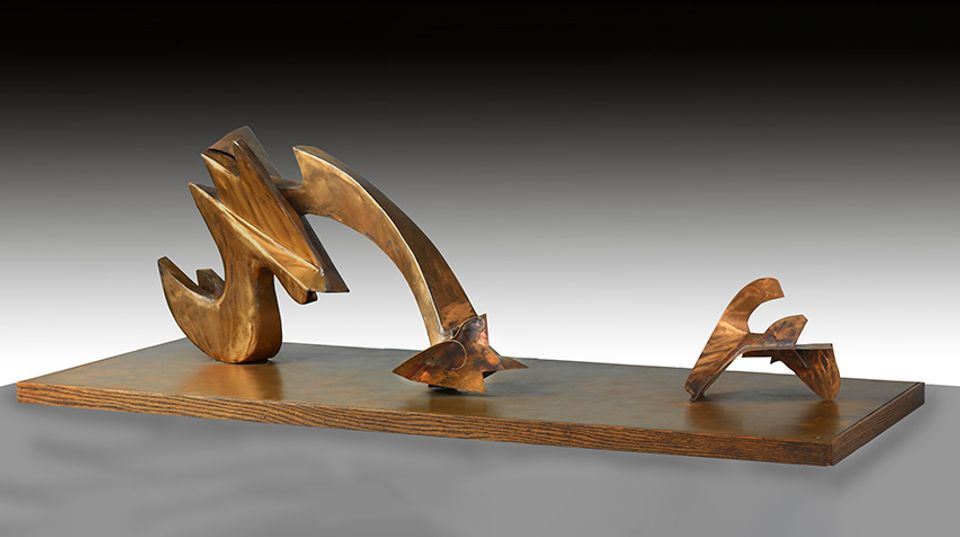
Head curator Randy Griffey remembers artist Richard Hunt, who died December 16, 2023
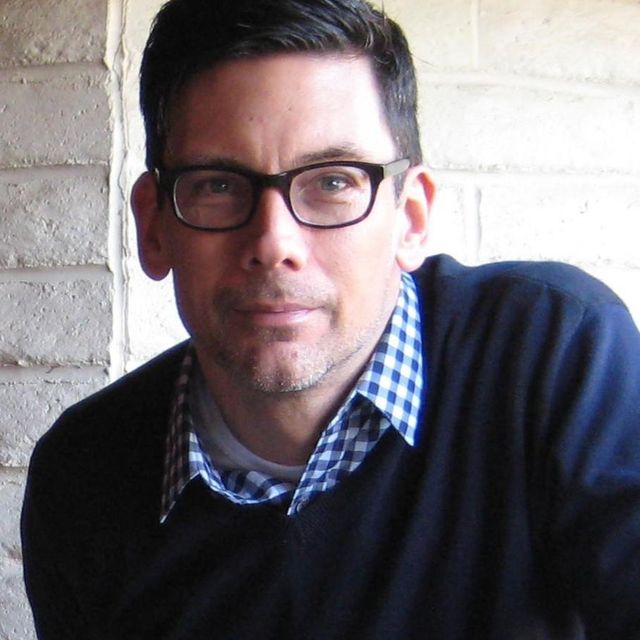
Randall Griffey
Head Curator
12/04/2023
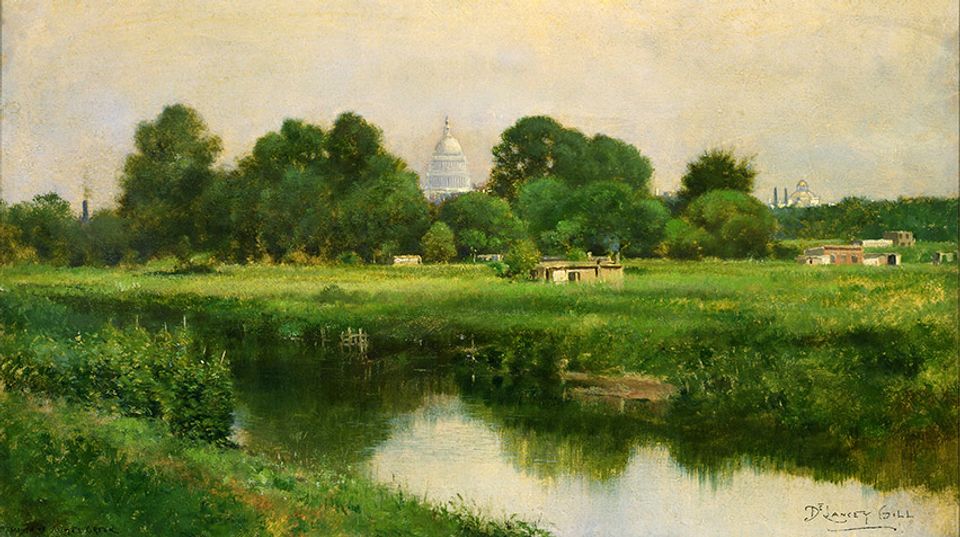
A look at landscapes in SAAM's collection and the wildlife that lives beyond the paintings
Brynn Garner
12/02/2023
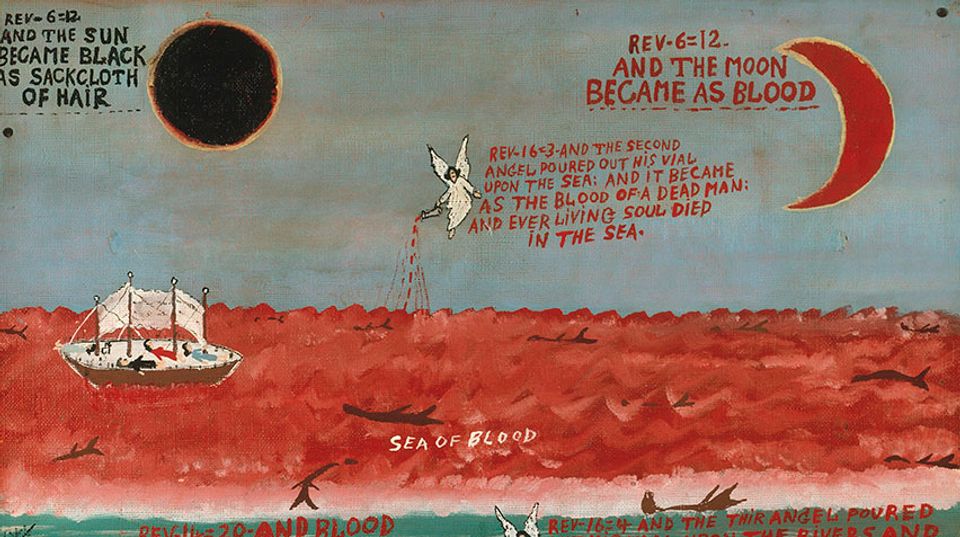
Take a look into the visual art and musical legacy of Howard Finster
SAAM
11/20/2023
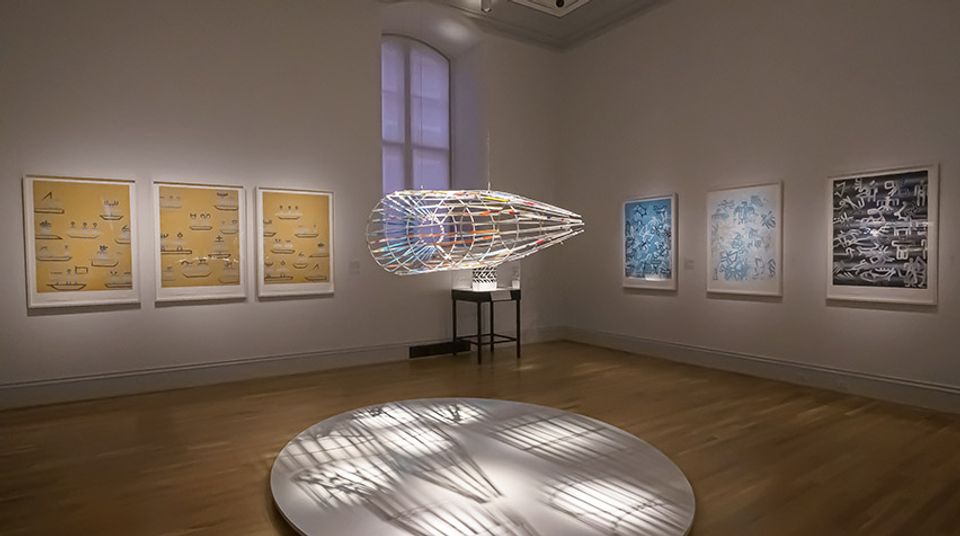
Drawing inspiration from traditional methods of collecting natural resources, artist Joe Feddersen serves as a voice for the Plateau peoples
SAAM